

Quiz Summary
0 of 10 Questions completed
Questions:
Information
You have already completed the quiz before. Hence you can not start it again.
Quiz is loading…
You must sign in or sign up to start the quiz.
You must first complete the following:
Results
Results
0 of 10 Questions answered correctly
Your time:
Time has elapsed
You have reached 0 of 0 point(s), (0)
Earned Point(s): 0 of 0, (0)
0 Essay(s) Pending (Possible Point(s): 0)
Categories
- Not categorized 0%
- 1
- 2
- 3
- 4
- 5
- 6
- 7
- 8
- 9
- 10
- Current
- Review
- Answered
- Correct
- Incorrect
-
Question 1 of 10
1. Question
This is a female stick insect:
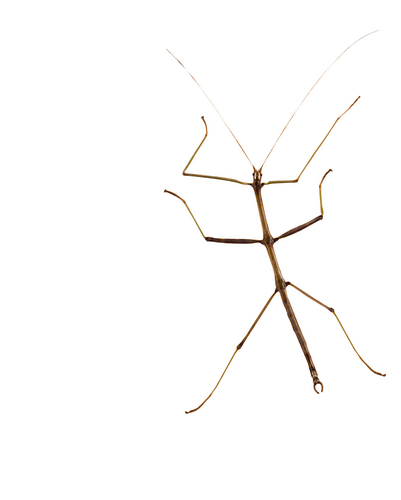
She has the ability to lay eggs without mating with a male stick insect.
What can you say about the young stick insects that hatch out of these eggs?
These young sticks insects have all been formed as a result of reproduction. That means that they are all the as each other and will also have identical characteristics to the stick insect.-
These young sticks insects have all been formed as a result of reproduction. That means that they are all the as each other and will also have identical characteristics to the stick insect.
CorrectIncorrect -
-
Question 2 of 10
2. Question
Some animals go through a complete change in shape as they grow (called metamorphosis), changing from a larva into an adult, whereas other animals simply develop as a smaller version of the adult.
Can you pick out, from these animals, those that develop as larvae, changing their shape as they grow into the adult form?
(In other words, the ones that go through metamorphosis.)
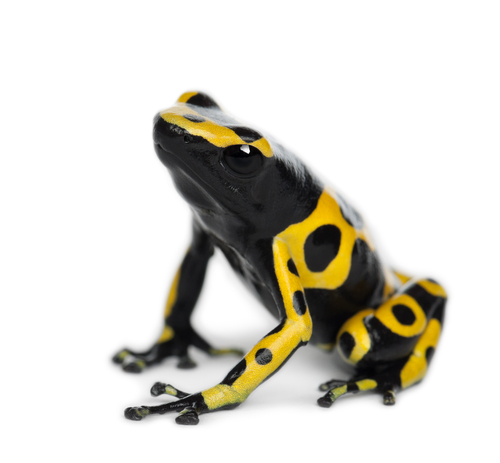
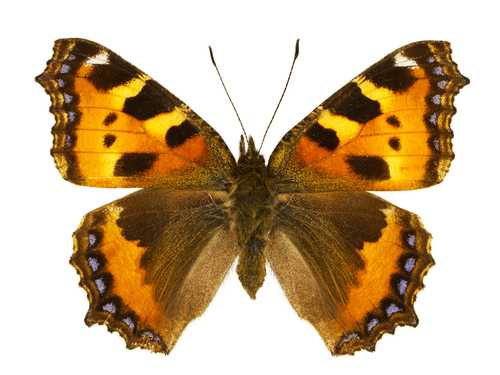
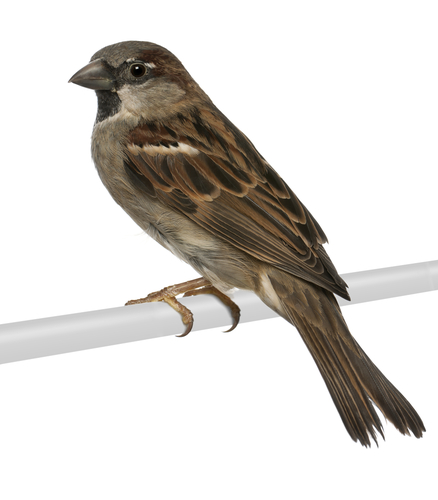
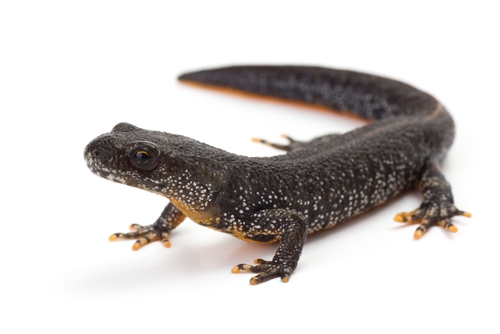
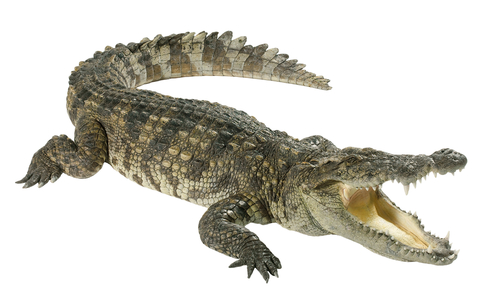
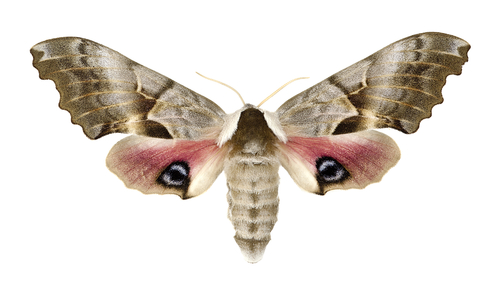
Frog Butterfly Sparrow Newt Crocodile Moth CorrectIncorrect -
Question 3 of 10
3. Question
Some animals are fixed in place for the whole of their adult lives.
Animals like oysters, mussels and coral are fixed to rocks on the sea floor.
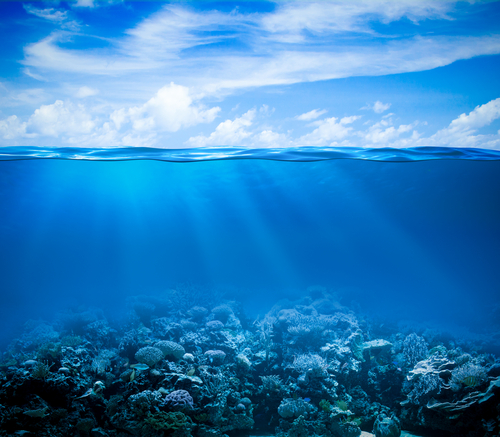
How would you expect them to reproduce?
These animals release their and eggs into the where they mix, so that some of the eggs are .-
These animals release their and eggs into the where they mix, so that some of the eggs are .
CorrectIncorrect -
-
Question 4 of 10
4. Question
Some animals rely on external fertilisation in water for their sperm and eggs to meet, e.g. fish, jellyfish, starfish, amphibians, etc..
Other animals use internal fertilisation, where the sperm and eggs meet inside the female, e.g. reptiles, butterflies, birds, snails, etc..
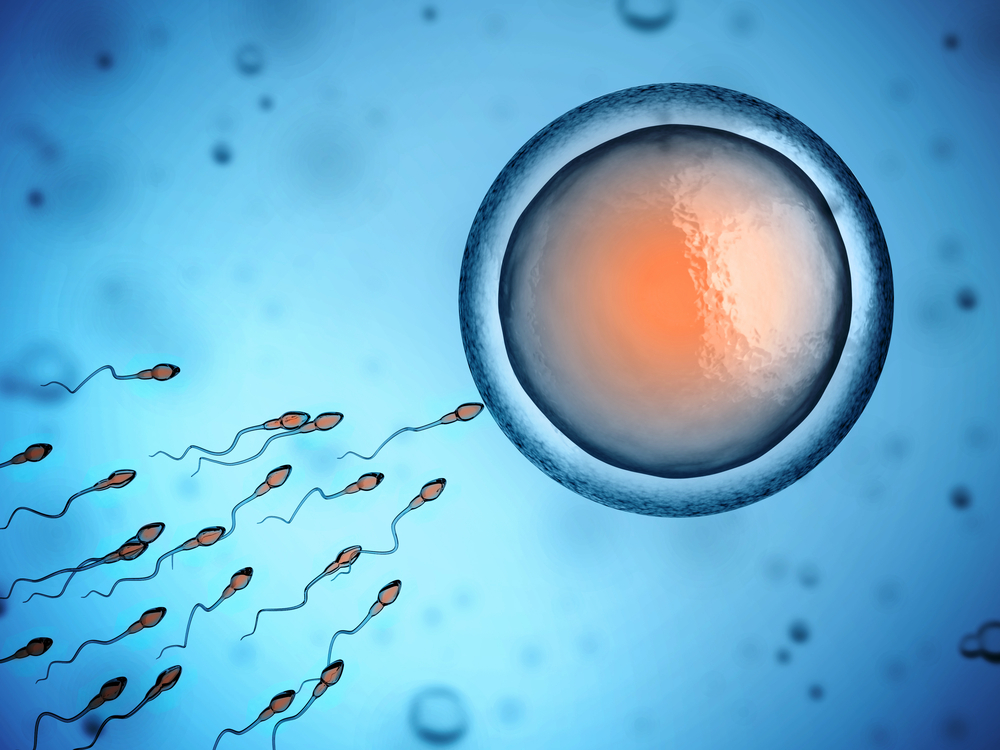
How would you expect the numbers of sperm and eggs released to differ between these two types of fertilisation?
It is likely that with external fertilization, a much number of sperm and eggs will be released. This is because it is likely that not every egg will be fertilised by a and so a proportion of the sex cells will be .-
It is likely that with external fertilization, a much number of sperm and eggs will be released. This is because it is likely that not every egg will be fertilised by a and so a proportion of the sex cells will be .
CorrectIncorrect -
-
Question 5 of 10
5. Question
In some animals, the sperm and egg meet outside the body while in others the sperm is released inside the female to fertilise the eggs more effectively.
Some animals’ young will grow outside the body, often in water (external development), while in other animals the offspring will start to grow inside the female’s body (internal development).
Sort these animals out by deciding where the sex cells meet and where the young develop.
Sort elements
- Toad
- Whale
- Whale
- Robin
- Robin
- Toad
-
External Fertilisation
-
Internal Fertilisation
-
External Development
-
Internal Development
-
Internal Fertilisation
-
External development
CorrectIncorrect -
Question 6 of 10
6. Question
A male rabbit, like all mammals, has adaptations to ensure that his sperm have the best possible chance of fertilising the female rabbit’s eggs.
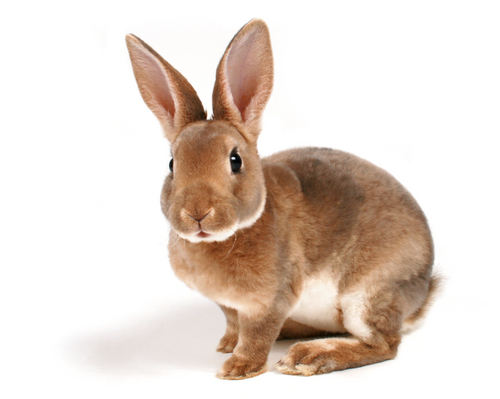
Where are his sperm made and what organ ensures that his sperm are introduced inside the female?
The male rabbit’s sperm are made in his and he uses his to make sure that his sperm are discharged inside the female’s body.-
The male rabbit’s sperm are made in his and he uses his to make sure that his sperm are discharged inside the female’s body
CorrectIncorrect -
-
Question 7 of 10
7. Question
After male and female dogs have mated, the sperm swim towards the eggs to fertilise them.
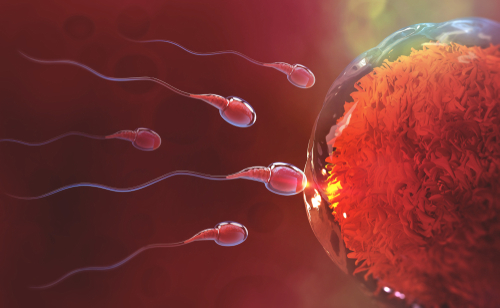
The fertilised eggs then divide to form a ball of cells which will begin developing into a puppy.
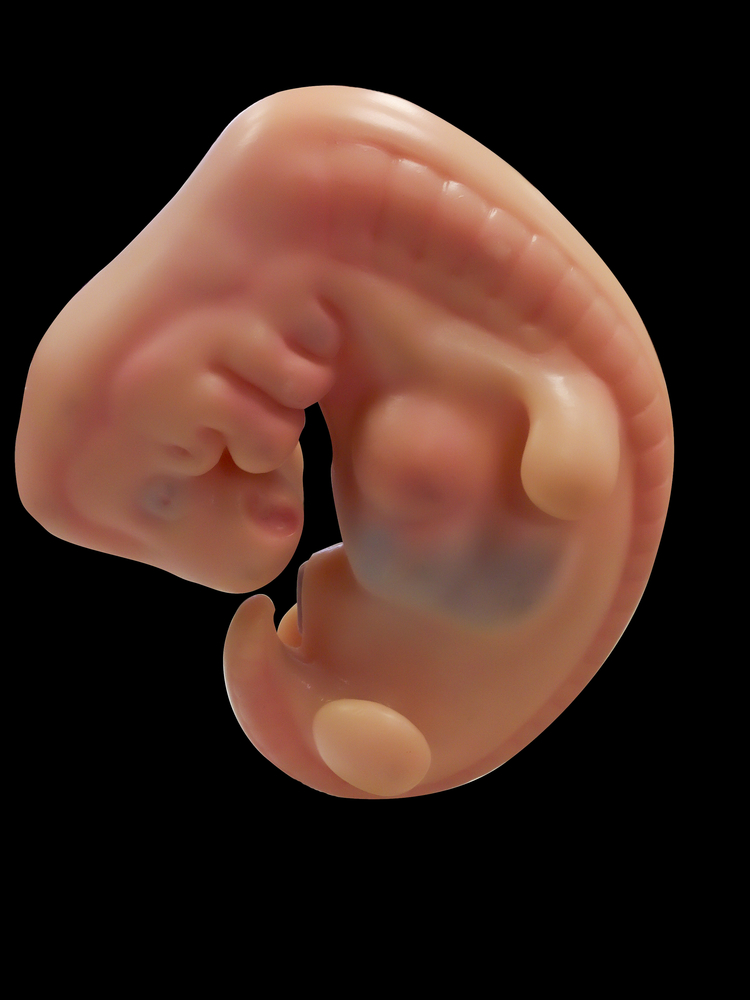
What is it called at this early stage of development?
The dividing group of cells, forming the puppy, is known as an at this stage.-
The dividing group of cells, forming the puppy, is known as an at this stage.
CorrectIncorrect -
-
Question 8 of 10
8. Question
In the animal kingdom, mammals are unique in nourishing the young that grow inside the female’s body.
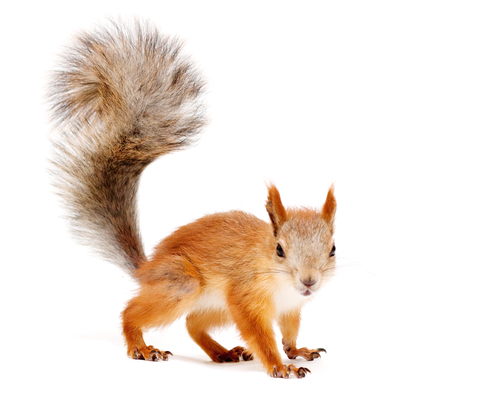
Like any mammal, a female squirrel has a special parental chamber inside her body, inside which the baby squirrels grow. She also develops a special organ which nourishes those babies, giving them food and oxygen.
Do you know the name of the chamber, as well as the organ that nourishes these baby mammals?
The baby squirrels are growing inside their mother’s and inside that, a special organ called the develops, to which each baby squirrel is attached, as it nourishes them.-
The baby squirrels are growing inside their mother’s and inside that, a special organ called the develops, to which each baby squirrel is attached, as it nourishes them.
CorrectIncorrect -
-
Question 9 of 10
9. Question
In Q2 we looked at how offspring develop, according to whether they go through metamorphosis, or not.
Use your knowledge of the animal kingdom, and methods of reproduction, to match each young animal to its adult stage.
ADULTS .jpg)
%20butterfly%20isolated%20on%20white%20background.jpg)
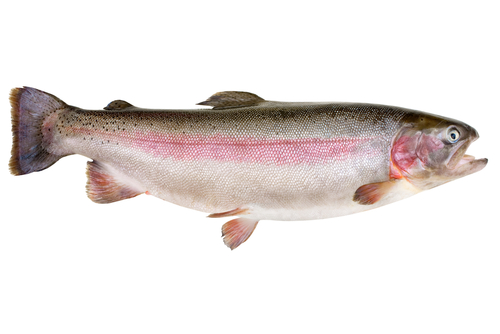
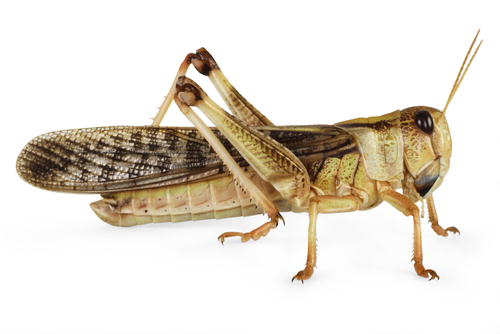
A B C D 
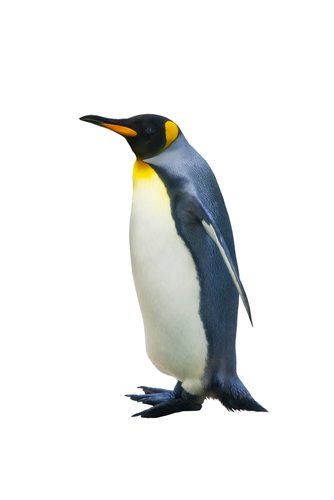
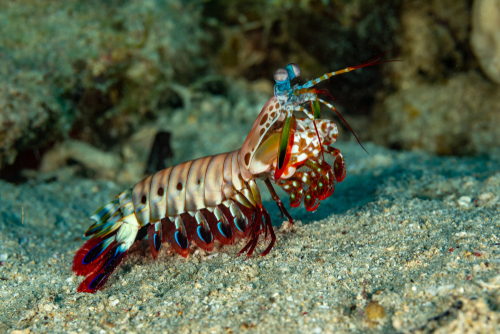
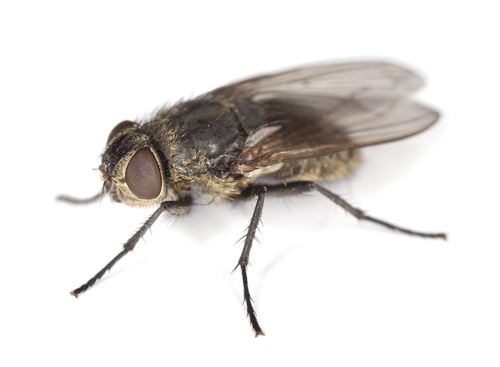
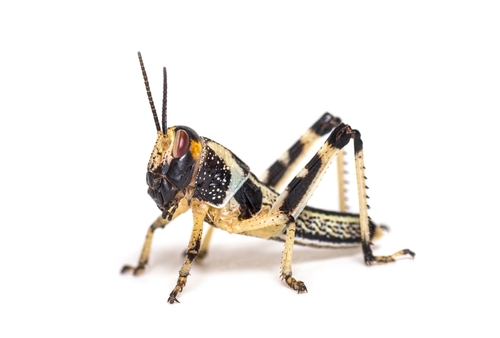
E F G H YOUNG 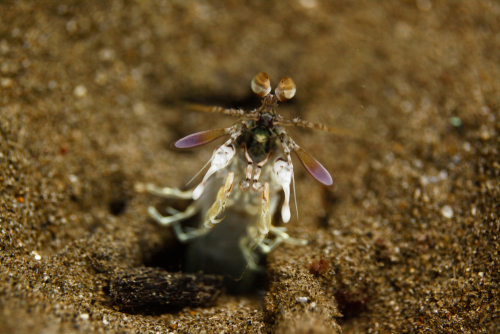
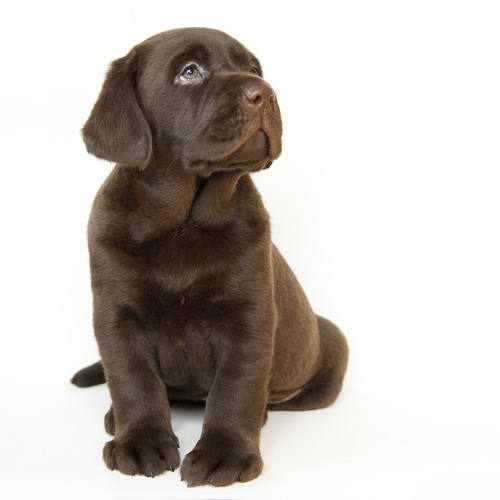
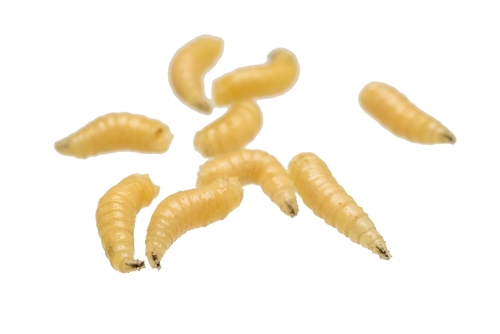
P Q R S 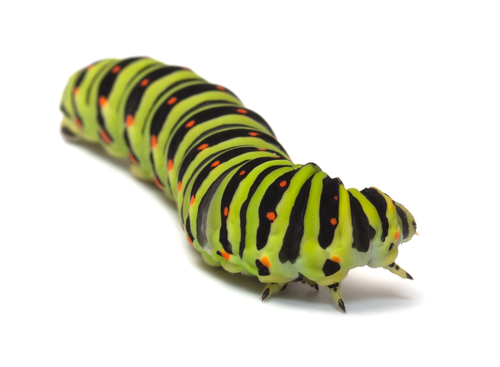
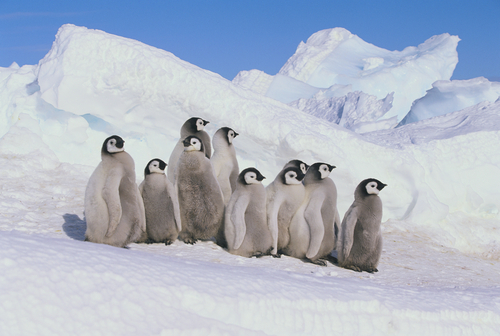
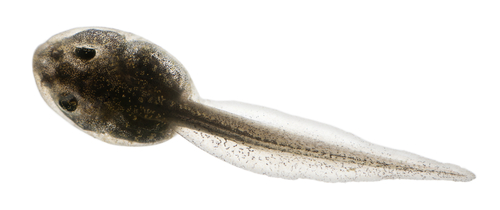
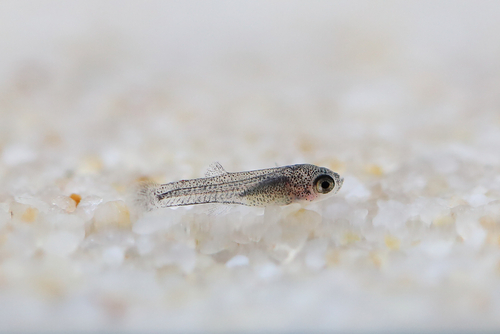
W X Y Z Sort elements
- Y
- W
- Z
- Q
- R
- X
- P
- S
-
A
-
B
-
C
-
D
-
E
-
F
-
G
-
H
CorrectIncorrect -
Question 10 of 10
10. Question
CorrectIncorrect
