

Quiz Summary
0 of 10 Questions completed
Questions:
Information
You have already completed the quiz before. Hence you can not start it again.
Quiz is loading…
You must sign in or sign up to start the quiz.
You must first complete the following:
Results
Results
0 of 10 Questions answered correctly
Your time:
Time has elapsed
You have reached 0 of 0 point(s), (0)
Earned Point(s): 0 of 0, (0)
0 Essay(s) Pending (Possible Point(s): 0)
Categories
- Not categorized 0%
- 1
- 2
- 3
- 4
- 5
- 6
- 7
- 8
- 9
- 10
- Current
- Review
- Answered
- Correct
- Incorrect
-
Question 1 of 10
1. Question
Here are descriptions of three of the five groups of vertebrates.
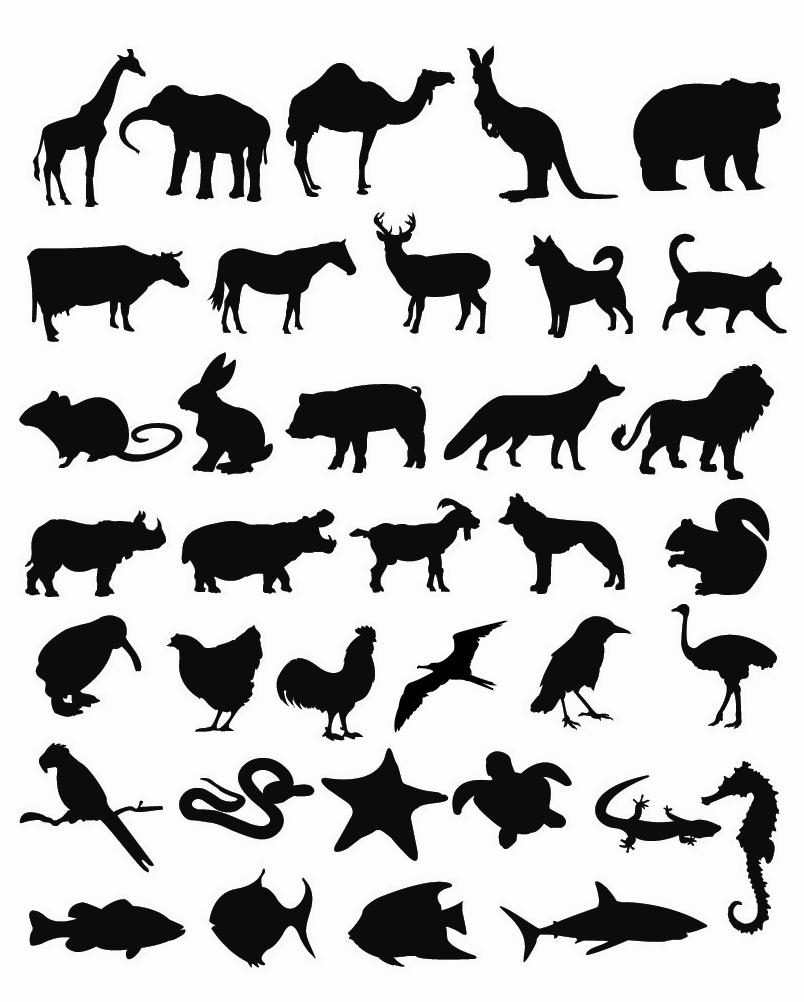
Description 1 Description 2 Description 3 Animals with feathers whose eggs are fertilised internally and then laid externally. The eggs have hard shells and, after hatching, the young are looked after by the parents until they’re old enough to fend for themselves. Animals with scales whose eggs are fertilised internally and then laid externally. The soft-shelled eggs hatch into young, most of which are left to fend for themselves following hatching. Animals with a damp skin, whose eggs are fertilised externally. The young continue to develop outside the parent’s body and there is little, or no, parental care shown by the adults. Which description fits the bird group?
CorrectIncorrect -
Question 2 of 10
2. Question
One type of bird is, of course, the chicken.
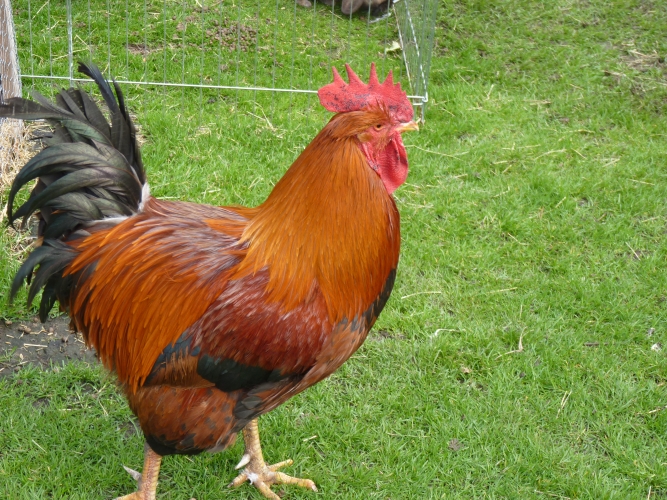
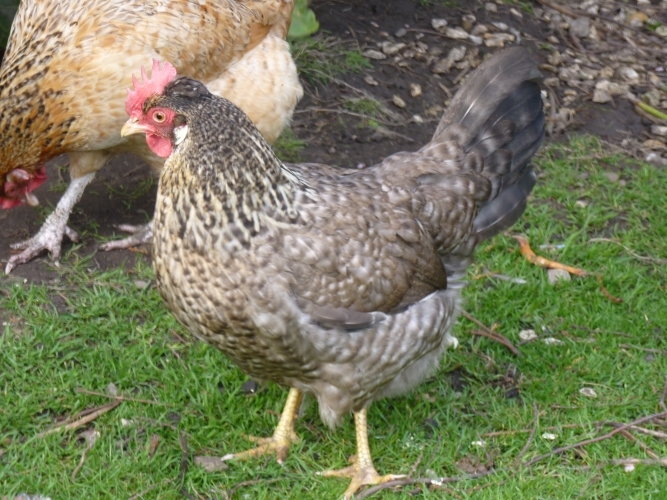
When adult chickens mate, what are the sex cells that must join inside the hen in order for an egg to be laid?
Sort elements
- sperm
- egg
-
Male sex cell
-
Female sex cell
CorrectIncorrect -
Question 3 of 10
3. Question
Here is a female (hen) blackbird, sitting in the nest.
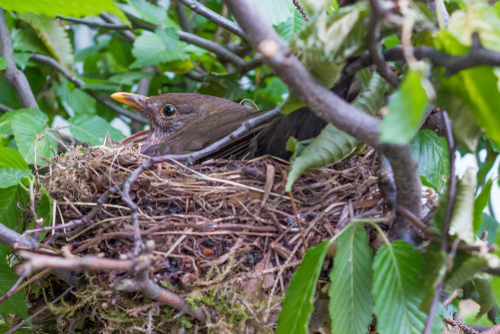
She is looking after her eggs, protecting them from predators and keeping them warm.
What name do we give to this process of looking after the eggs until they hatch?
CorrectIncorrect -
-
Question 4 of 10
4. Question
Inside the egg, the chick is growing slowly.
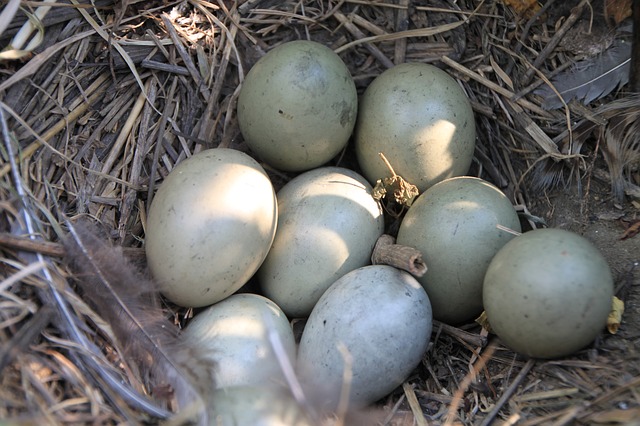
Do you know what this mass of growing cells is called as it develops into a chick?
CorrectIncorrect -
-
Question 5 of 10
5. Question
The time taken for the egg to hatch depends upon the type of bird.
Have a look at this data:
Bird: Blue tit Blackbird Chircken Goose Ostrich 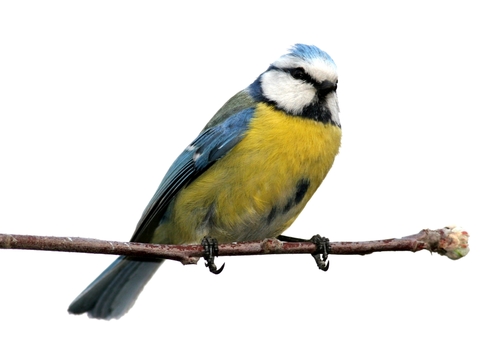
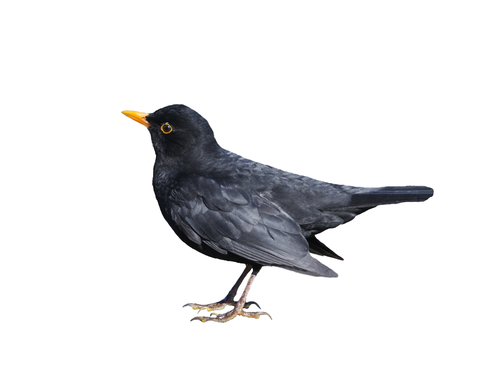
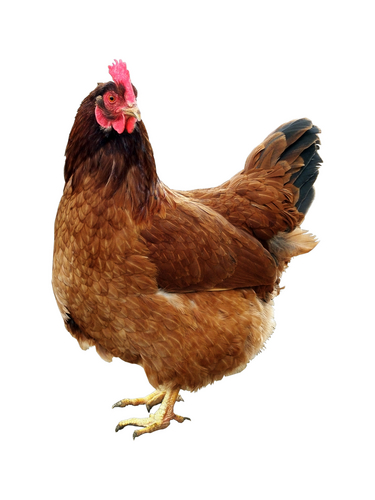
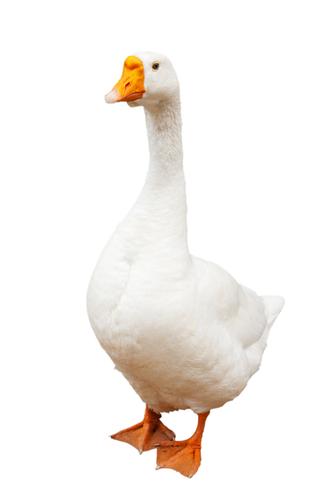
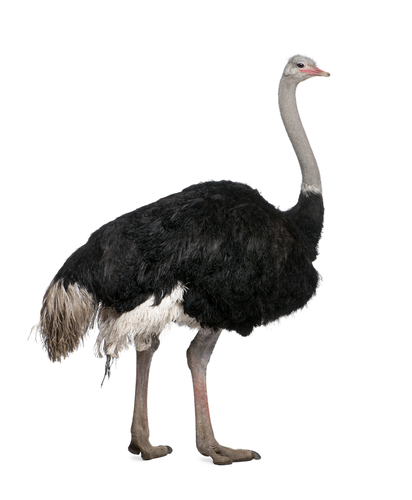
Egg size/cm 1.5 3 6 10 16 Time taken to hatch/days 12 14 21 30 46 Can you see any relationship (or pattern) between how long it takes for an egg to hatch and the size of the egg?
From the data, it seems that the the egg, the it takes to hatch.-
From the data, it seems that the the egg, the it takes to hatch.
CorrectIncorrect -
-
Question 6 of 10
6. Question
Birds nest in many different places: wrens build a mossy nest in a bush, eagles have a large nest of sticks high in a tree, but many seabirds nest on cliff ledges above the sea.
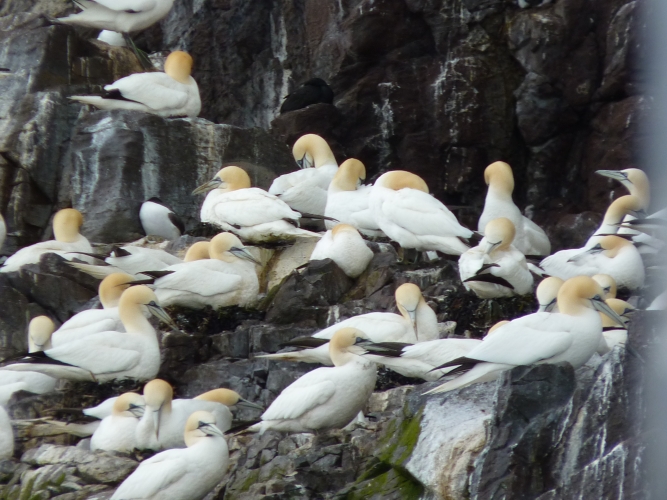 Gannets nesting on cliff ledges
Of course, there is a danger that their eggs might roll off the narrow ledge and fall into the sea. Cliff-nesting birds have eggs that are specially-designed to prevent this happening.
Here are four eggs:
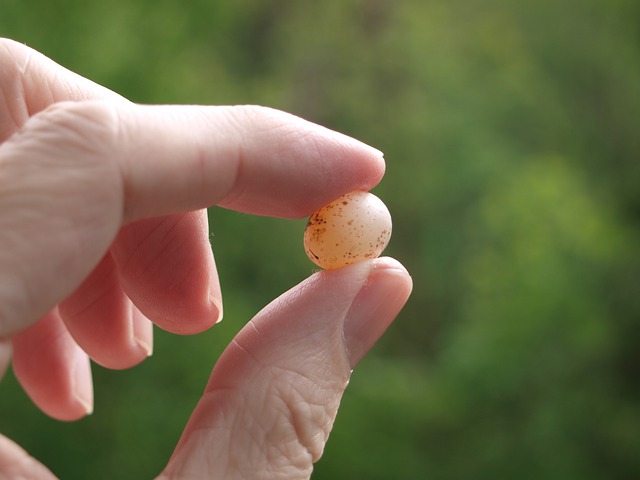
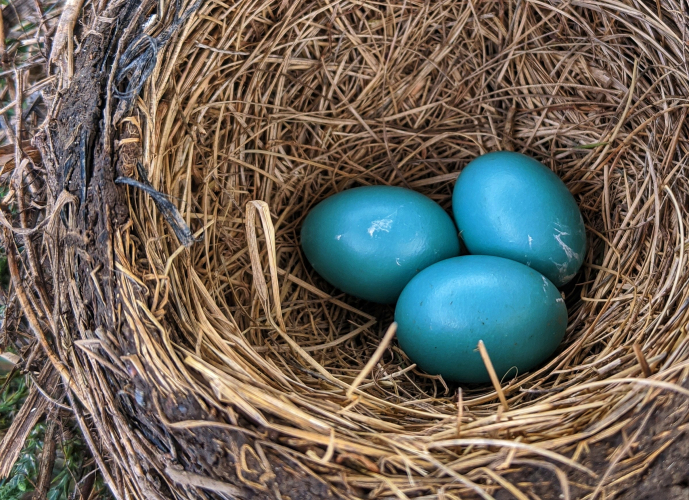
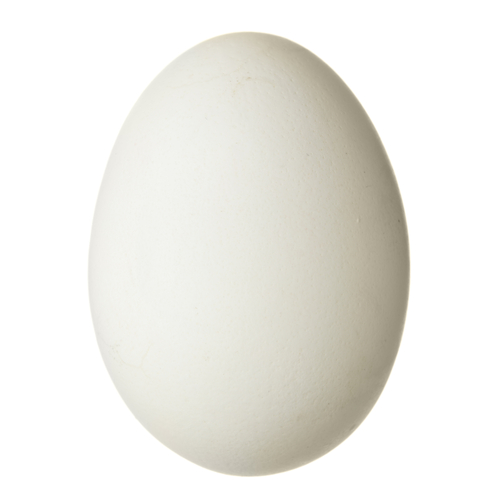
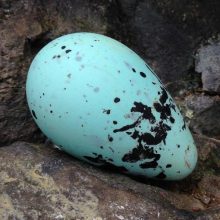
EGG 1 EGG 2 EGG 3 EGG 4 Look at the design of these four eggs.
Decide which one of them might belong to a cliff-nesting seabird, like a gannet.
Egg is designed for being laid on cliff ledges.-
Egg is designed for being laid on cliff ledges.
CorrectIncorrect -
-
Question 7 of 10
7. Question
Here is a nestful of young chicks:
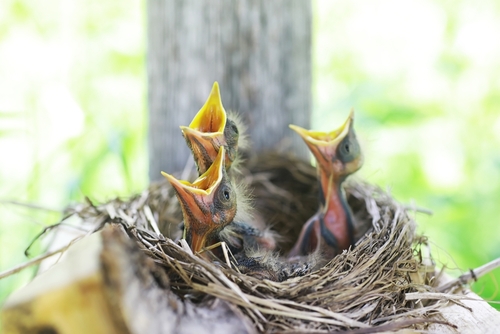
What do you think they are doing and how do you think the parent birds respond?
The young chicks are opening their very wide and this encourages their parents to collect to give to their chicks.-
The young chicks are opening their very wide and this encourages their parents to collect to give to their chicks.
CorrectIncorrect -
-
Question 8 of 10
8. Question
Do you see this chick?
.jpg)
Thinking about young birds, in general, what sort of dangers might they face, even though they are being looked after by their parents?
CorrectIncorrect -
Question 9 of 10
9. Question
Imagine that your school has set up a video camera (CCTV) inside a nest box so that you can watch the eggs hatching and the chicks developing.
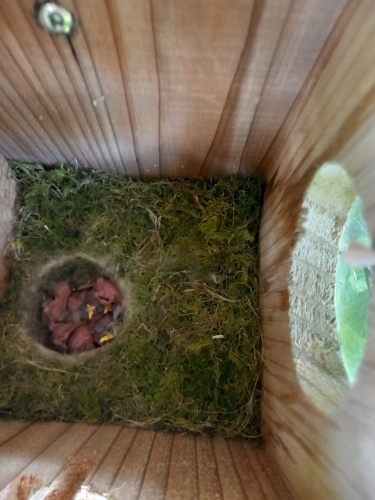
Each student in the class can add information to the class ‘Nest Box Journal’ as they observe the birds.
Here are some of the entries:
April 30 The first egg has hatched May 5 All eggs hatched, but the first chick is the biggest May 7 Saw one of the parents feeding the chicks a caterpillar May 20 Two of the chicks have now fledged and flown away from the nest What evidence can you see from the journal that demonstrates that the chicks have grown?
I can see that the entry for (date) shows that one of the chicks is than the rest, so it has grown faster.-
I can see that the entry for (date) shows that one of the chicks is than the rest, so it has grown faster
CorrectIncorrect -
-
Question 10 of 10
10. Question
Here is that nestful of chicks again:
Once they’re grown and ready, how will they leave the nest?
For most chicks, like these ones in the nest box, when they are ready they will away from the nest. We say that the birds have .-
For most chicks, like these ones in the nest box, when they are ready they will away from the nest. We say that the birds have .
CorrectIncorrect -
